


Industrial dust suppression using high-pressure misting, mobile or fixed
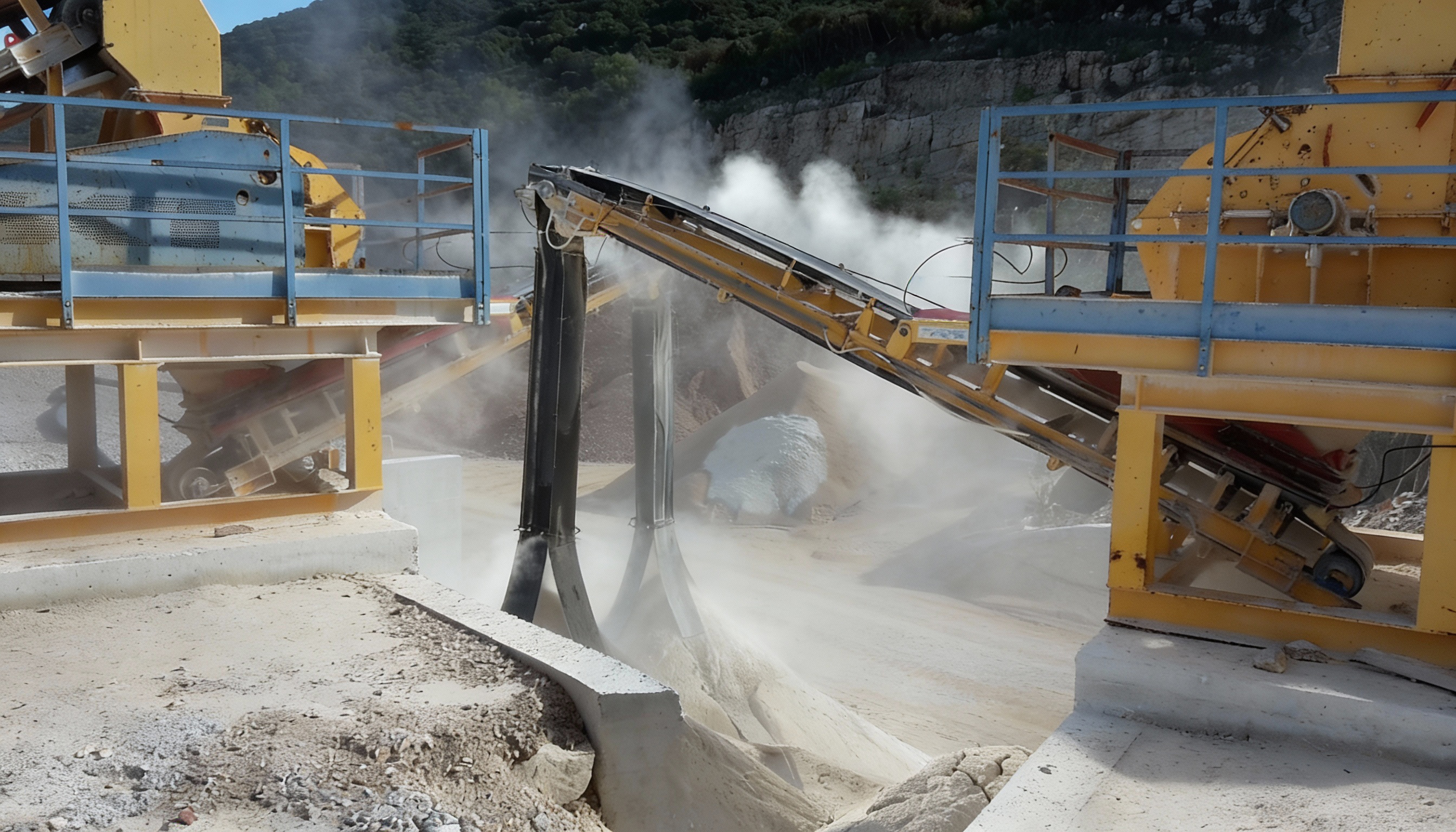
Dust suppression in quarries
Dust suppression is a major challenge for quarry operations, both in terms of operator safety and compliance with environmental and regulatory constraints. Dust emissions have a direct impact on health, visibility on site, equipment lifespan, and relations with the surrounding environment.
High-pressure misting systems provide an effective and controlled solution for reducing airborne dust at the source, without disrupting production processes or dampening materials.
Dust suppression for the food industry
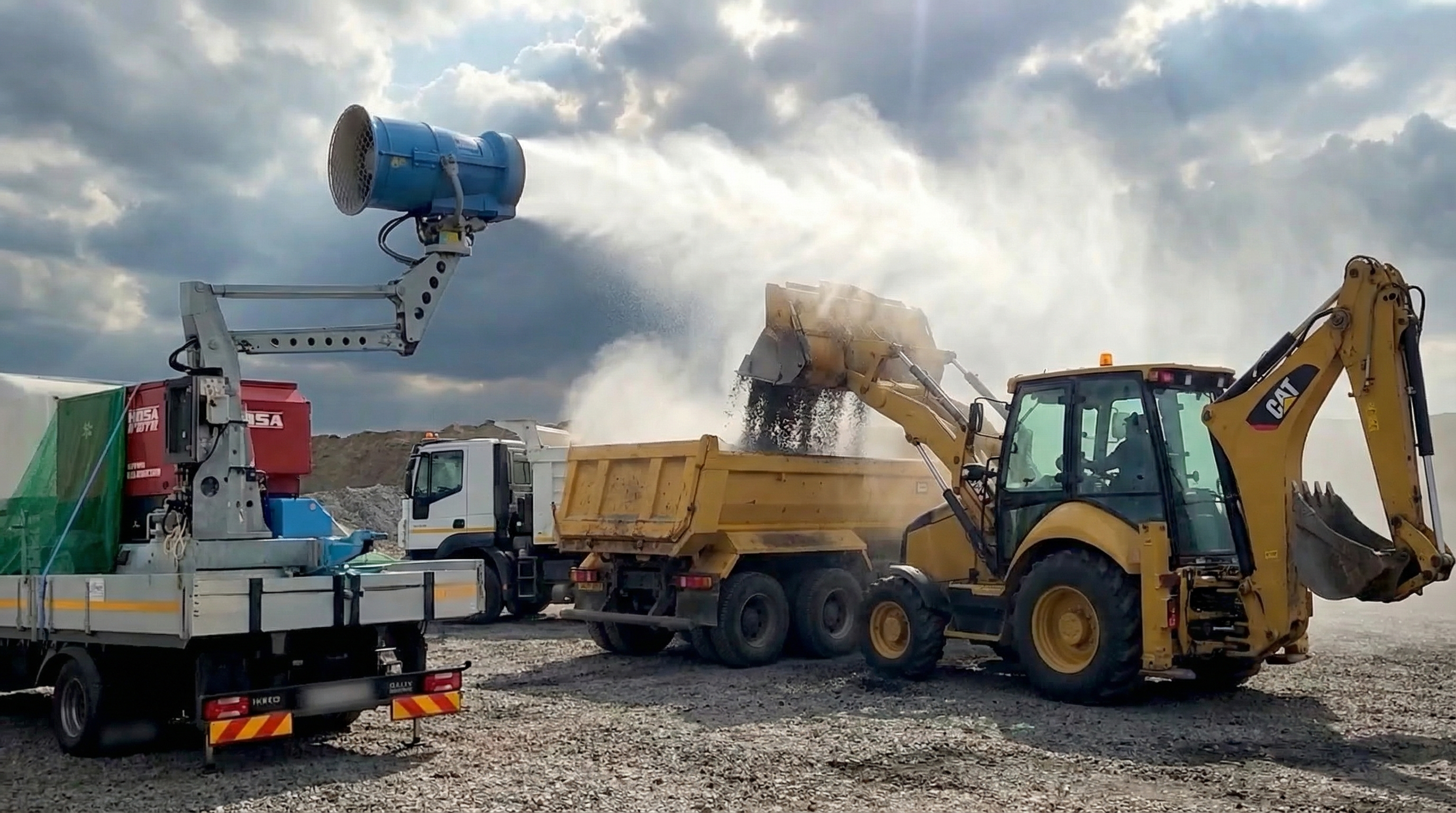
In industrial and mining environments, dust control is a major challenge for operator safety, operational continuity, and compliance with environmental standards. Extraction, handling, crushing, and processing activities generate significant amounts of dust that can affect health, visibility, and equipment reliability.
High-pressure misting systems are an effective and controlled solution for efficiently reducing airborne dust without compromising production rates. These solutions can be installed as fixed systems, deployed as mobile systems, or designed as stand-alone units to adapt to operating constraints, site configurations, and changing field requirements.
Dust suppression for industry and mining field
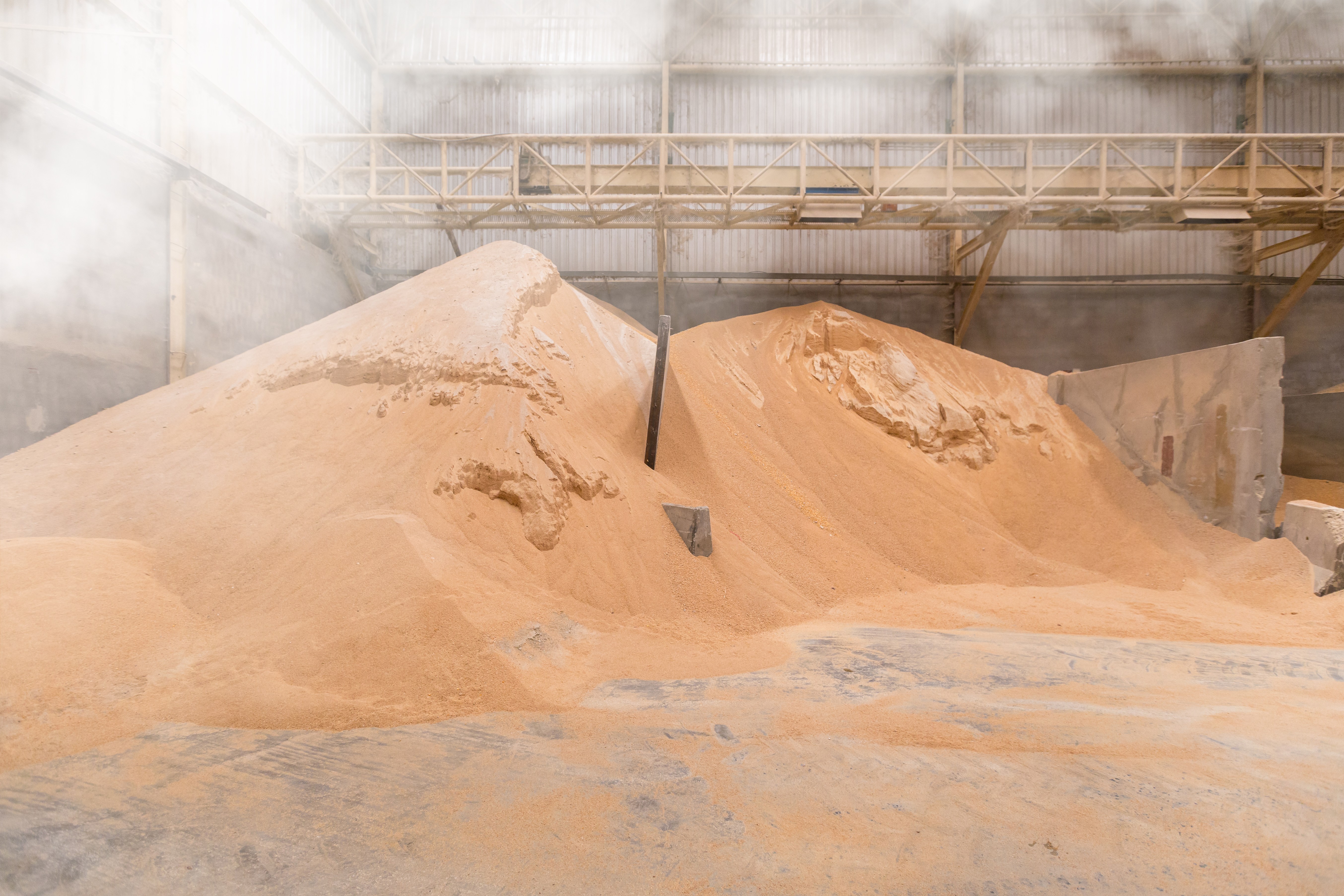
In food processing environments, dust poses health, operational, and regulatory challenges. Whether it comes from grains, plant-based raw materials, or bulk products, dust generated during receiving, processing, transfer, or storage can impact product quality, operator safety, and facility reliability.
High-pressure misting offers an effective solution for reducing airborne dust, while complying with the specific constraints of food processing sites.
Dust suppression using high-pressure misting in waste treatment centers
In waste treatment centers, dust control is a key issue for operator safety, the quality of the working environment, and compliance with regulatory requirements. Sorting, grinding, transfer, and storage operations generate dust emissions that can impair visibility, affect staff health, and disrupt the smooth running of facilities.
High-pressure misting systems provide an effective solution for reducing airborne dust without disrupting treatment flows or adding to existing processes.